
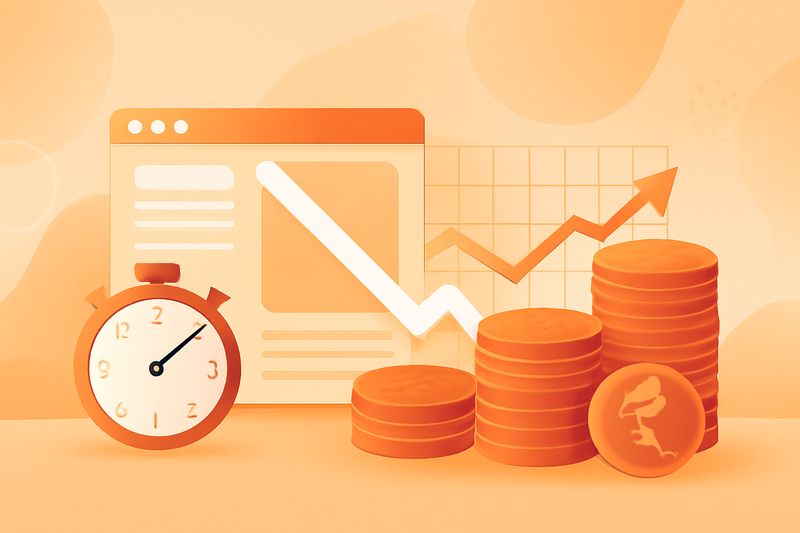
The Unseen Revenue Drain
A slow website in 2026 might as well be a money pit. According to a study by OrangeValley, even a one-second delay can punch a 7% hole in your conversion rate. To put that into perspective, if an e-commerce site earns ₹10 crore annually, a mere second could cost ₹70 lakh.
Case Study: Amazon’s Speed Saga
Amazon, an epitome of digital retail success, claims that a one-second delay could potentially lead them to lose $1.6 billion every year. Its dedication to speed—shaving off milliseconds—marks the difference between strategic brilliance and fiscal drain.
The User Behavior Shift
With 5G and hyper-connectivity reigning supreme in 2026, users have evolved—they won’t wait. Google states 53% of mobile users desert sites if they drag past the elusive 3-second mark. This attrition isn't just a technical gap; it's a hemorrhage of trust and potential revenue.
Speed as a Revenue Multiplier
Companies that have aggressively pursued speed optimization are living proof of its importance. A case in point: Mozilla, after trimming their site’s load time by 2.2 seconds, saw a 15.4% increase in downloads, hinting at a 27% rise in revenue. Imagine what similar gains could mean for your bottom line.
Action Steps: Speed as a Strategic Investment
- Audit and Optimize: Conduct regular speed audits to identify bottlenecks. Consider tools like Google’s PageSpeed Insights.
- CDN and Caching: Employ a Content Delivery Network (CDN) and caching strategies to accelerate content delivery.
- Minimalist Design: Lean on minimalist design principles to reduce complexity and increase agility.
- Leverage Experts: Partner with experienced development teams, like Buzz Craft Maven, poised to engineer speed-centric solutions and drive your conversion rates.
Web speed isn’t ancillary—it’s central to digital strategy. The difference reflects directly on your financial statements.


