The Death of Cookies: A Prelude to Innovation
Third-party cookies are history. With Google phasing them out and the EU enforcing the General Data Protection Regulation (GDPR) ever more stringently, digital marketers are steering away from outdated tracking. By 2026, if your strategy hinges on what's being eliminated, you're already behind.
AI: The New Pillar
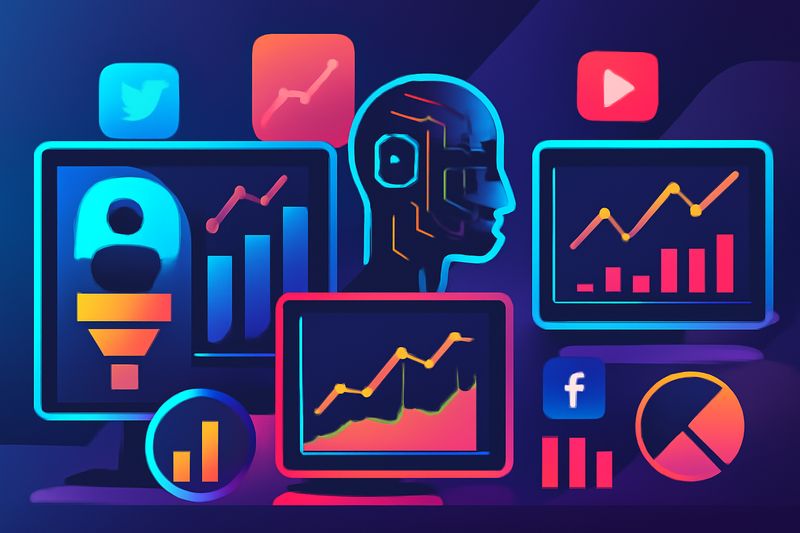
AI isn't the future; it’s the now. Gartner predicts by 2026, over 70% of enterprises will rely heavily on AI for decision-making. In India, a booming tech hub, AI-driven companies have already witnessed a whopping 45% increase in marketing ROI when they transitioned to AI-driven analytics post-cookie phase-out.
Harnessing First and Zero-Party Data
First-party data is collected directly from your audience. Zero-party data, on the other hand, is intentionally shared by consumers. Brands like Nykaa and Tata Digital have nailed this by integrating AI in their CRM systems, enhancing personalization while ensuring data privacy. AI not only mines this valuable data but translates it into actionable insights. By 2026, this will not be optional; it’ll be essential.
Forecasting Consumer Behavior
AI-driven analytics facilitate predictive marketing, providing insights that weren’t accessible with third-party cookies. Imagine crafting marketing campaigns that anticipate your consumer's desires, courtesy of AI algorithms that analyze trends and behaviors seamlessly. Retail mammoths like Reliance Digital are employing these techniques to double down on customer retention and acquisition.
A Seamless User Journey
The secret to retaining customers in 2026's competitive market lies in offering impeccable user experiences. AI helps brands deliver ultra-personalized experiences, stitching together customer journeys that are coherent and enriched with real-time data intelligence.
The Buzz Craft Maven Edge
At Buzz Craft Maven, we've already integrated AI analytics into our marketing frameworks to cater to India's discerning HNI clientele. By leveraging AI, we’re assisting brands in redefining their marketing approaches—transitioning them from relying on passé data to embracing the future with open eyes.


